

 OffroadAdmin
Bottom Line
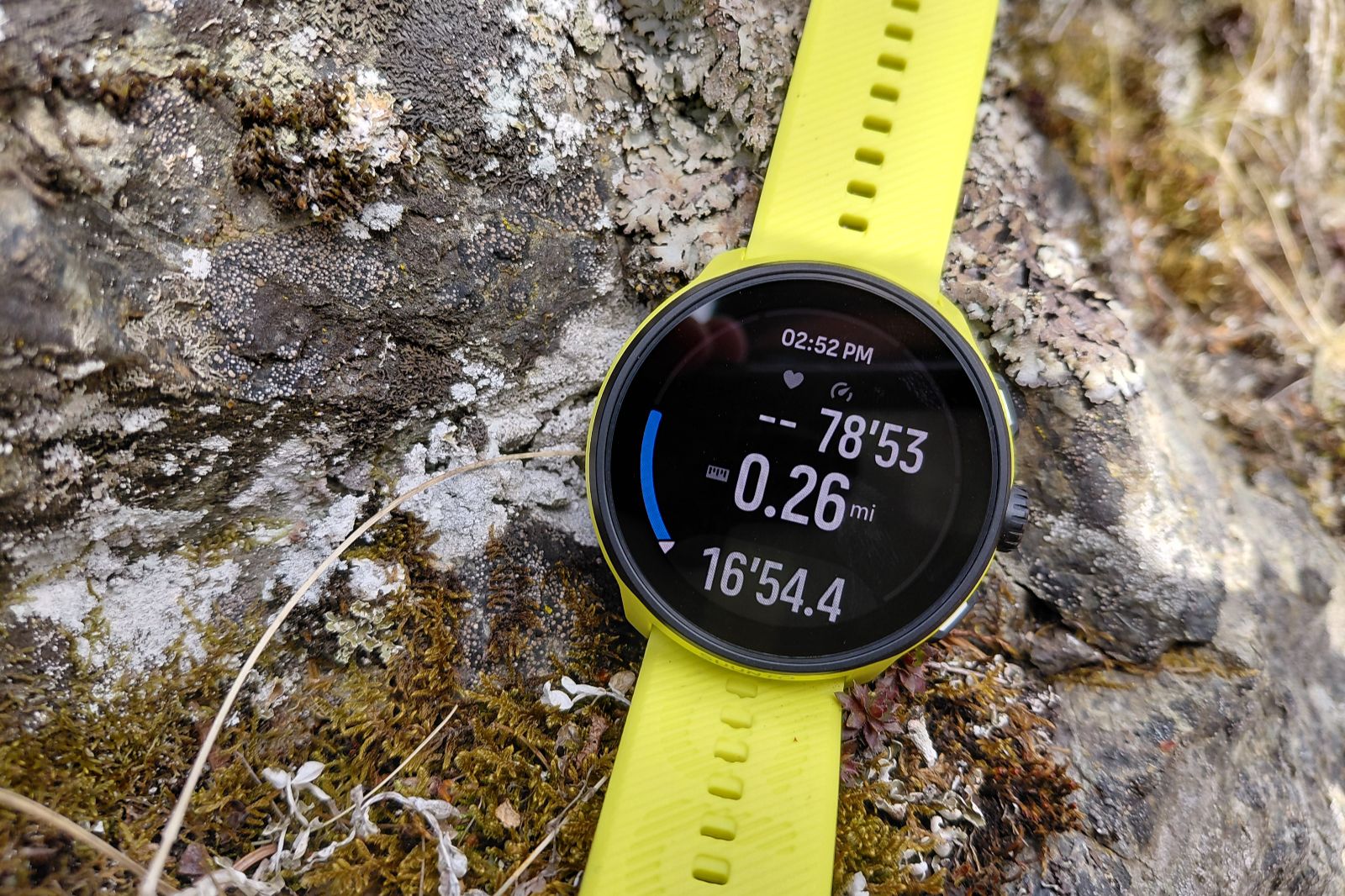
The Suunto Run earns a spot on our list of best GPS watches for being a budget-friendly option that has simple yet effective features tailor-made for runners who care more about streamlined performance than extras. It’s lightweight and has an elastic and comfortable band. With dual-band GPS, and an optical heart rate monitor, we found that it has good enough accuracy for a budget watch.
The Suunto Run is a simplified watch perfect for those who only want the essentials. Tested on runs, hikes, and skis in Alaska, we found that it provided the bare basics, but left us wanting more for backcountry use. It lacks mapping features and a compass, and with a relatively low battery life, it had to be charged more frequently than others in our lineup.
However, if you’re looking for a lightweight and effective daily training companion for front-country use, the Suunto Run is an excellent choice. Delivering just enough features to be functional, it comes at an affordable price.
How We Tested
The Suunto Run was tested over the course of 2 months on hikes, skis, and runs in Alaska. We tested the watch on a number of activity types and settings to test its features and accuracy. From dense forest cover to steep canyons and mountain adventures, the Run was tested in rugged terrain to test accuracy in real-world mountain conditions.
Quick Specs
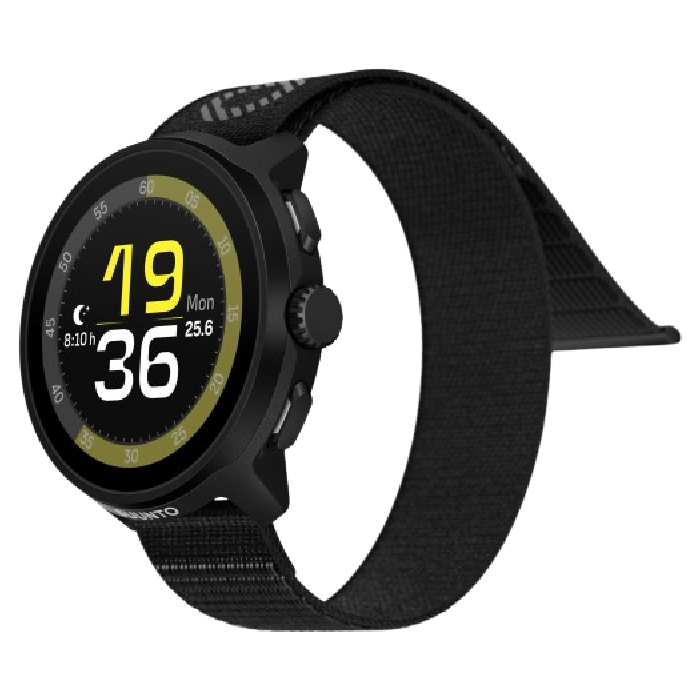
Suunto Run
Best GPS Watch for Running
CleverHiker Rating:
4.3/5.0
Price:
$199
Avg. Battery Life:
12 days smartwatch / 20 hrs GPS
Weight:
36g
Display Size:
1.32″
Pros
- Comfortable band
- Low profile
- Price
- Vibrant AMOLED screen
Cons
- Companion app isn't user-friendly
- Scroll wheel isn't the easiest
- Less battery life than expected
Accuracy
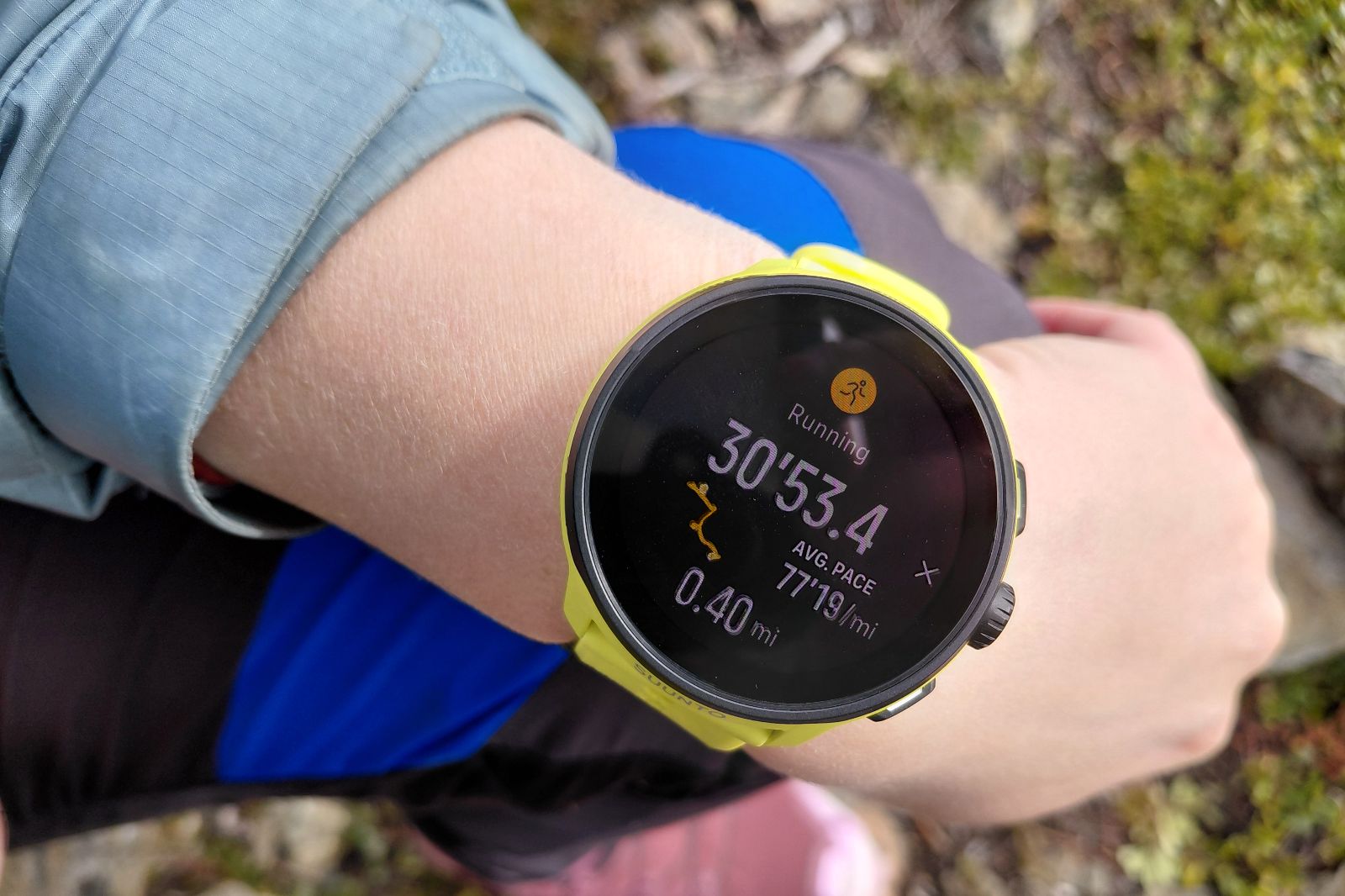
For a budget watch, the Suunto Run surprised us with its consistent accuracy. Using dual-band GPS, we find it has good accuracy in most environments, including tree cover, through buildings, and in steep mountain drainages. We do find that it shortens us in distance by anywhere from a few hundredths to two tenths of a mile occasionally, but we aren’t sure what causes that inaccuracy. Overall, the GPS accuracy is strong and reliable across activities and environments.
The optical heart rate monitor was more of a mixed bag. For longer outings with a steady heart rate, it’s accurate, but it trips up during shorter, more variable heart-rate activities. For things like interval training or tracking shorter bursts at higher intensities, the heart rate graph struggles to pick up these rapid changes, smoothing out the profile. While not the best on its own, pairing with a chest strap heart rate monitor is always the best way to get the most accurate results.
Battery Life
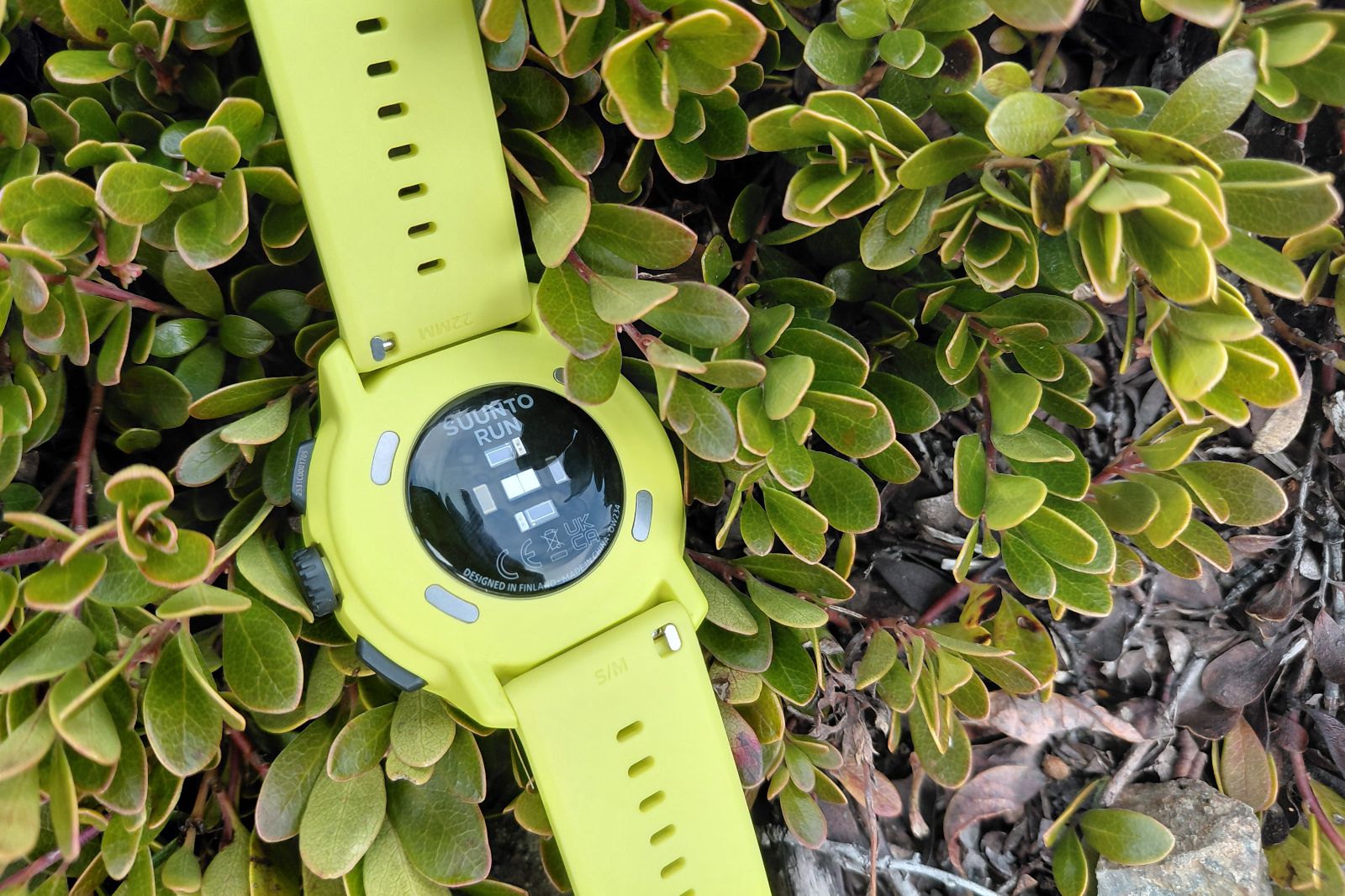
The Suunto Run offers moderate battery life that is enough for daily use, but it is not the best choice if you’ll be using it for long periods between charges. Using it for both daily wear and GPS tracking for about 1-1.5 hours per day, we get about 4 days of use out of it.
Our testing showed that the manufacturer’s claimed 20 hours of GPS battery life was slightly overstated, as we were getting closer to 12-15 hours of tracking.
In GPS mode, the Suunto Run uses almost ten percent of the battery per hour. We are disappointed to not be able to change the GPS mode, a feature on many other watches, to prioritize battery life over accuracy. Good enough for daily use, this is not our top choice for going extended periods between charges.
Comfort & Wearability
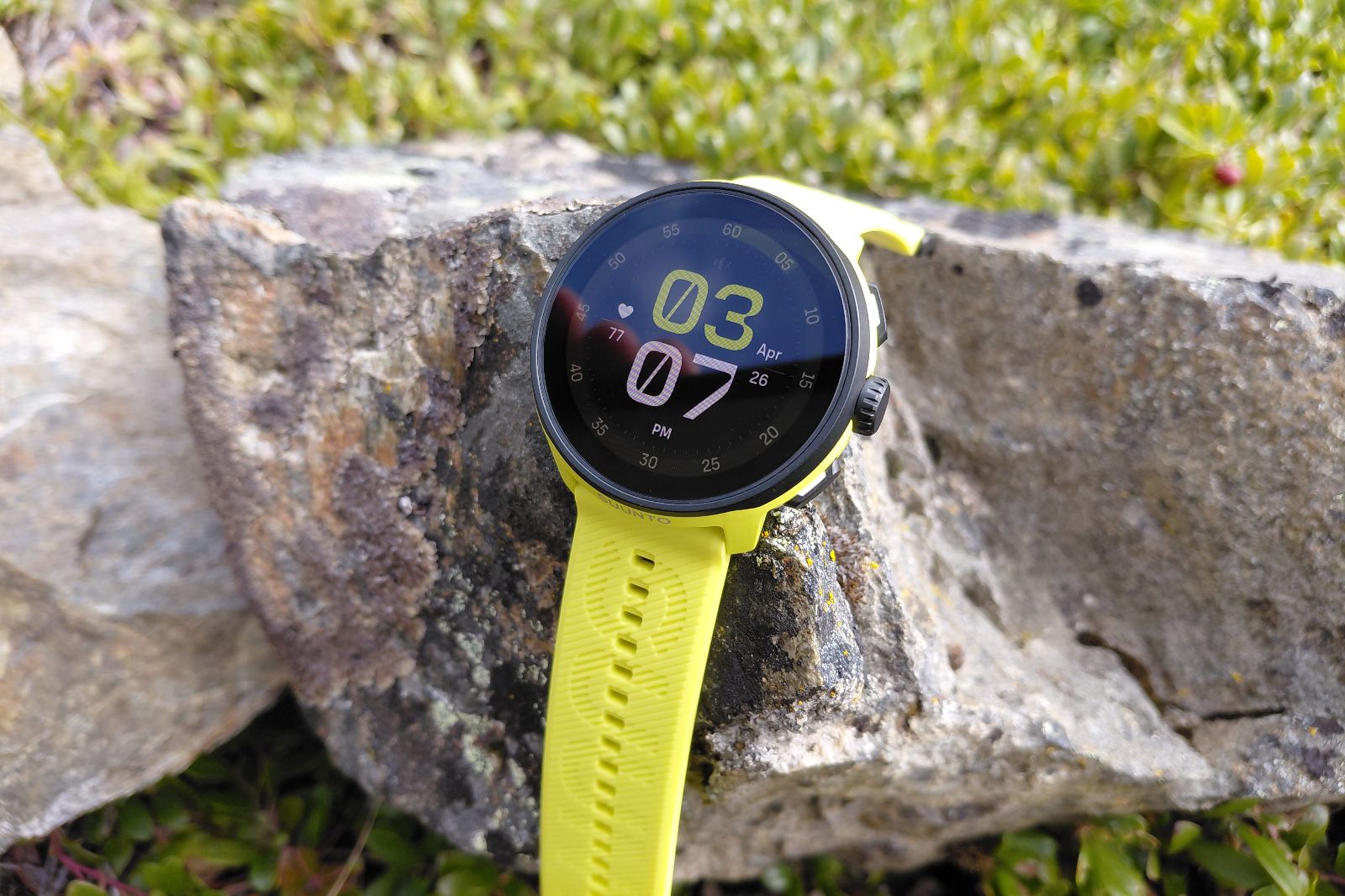
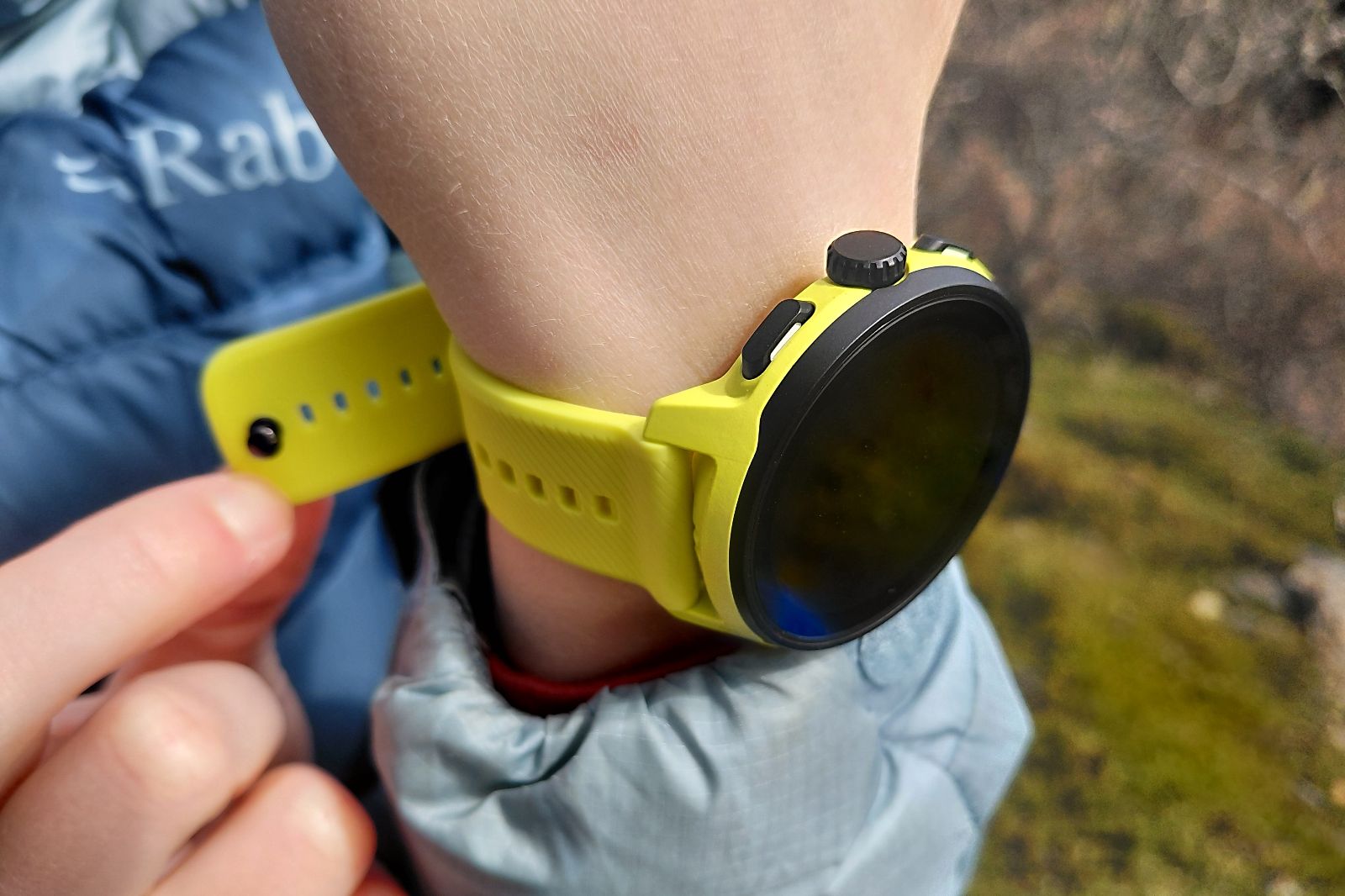
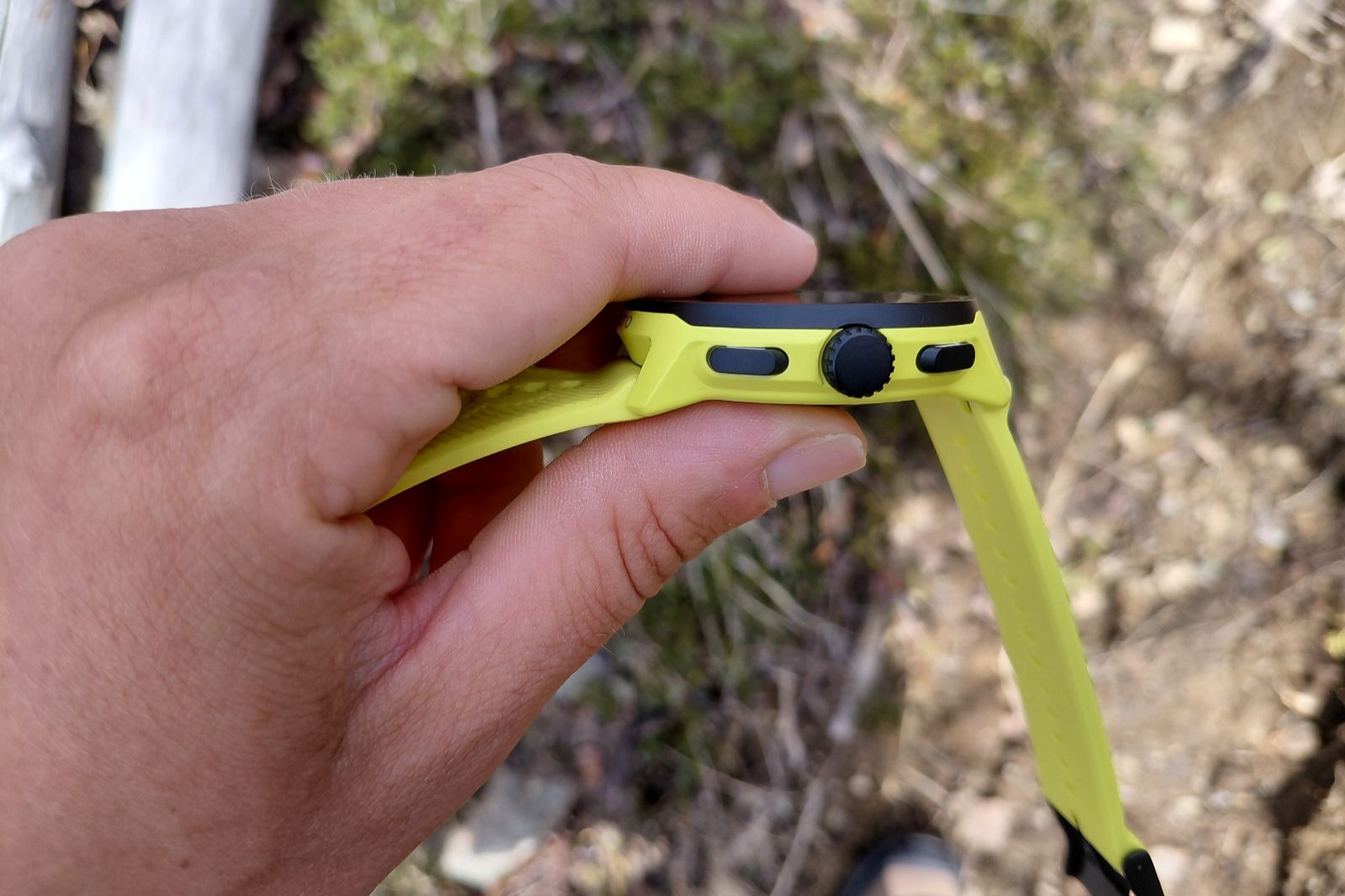
The Suunto Run is a minimalist running watch and we don’t feel it while we are wearing it. At .45” thick, the slim profile easily fits under sleeves and doesn’t hook jacket cuffs. The band is made out of a slightly stretchy silicone, perfect for keeping it tight on the wrist while still being comfortable. We wear this watch for daily use and love its all-day comfort.
Features
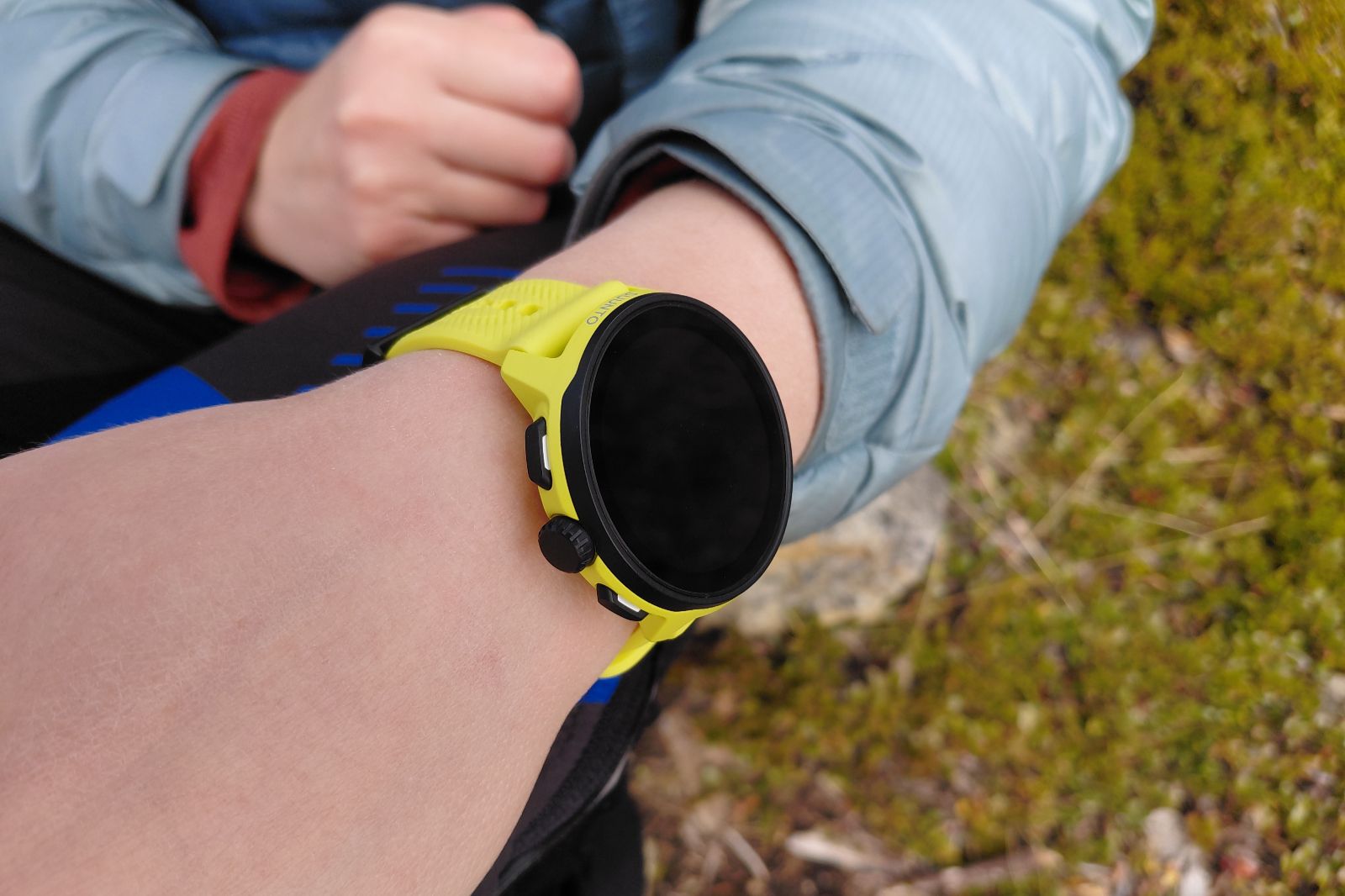
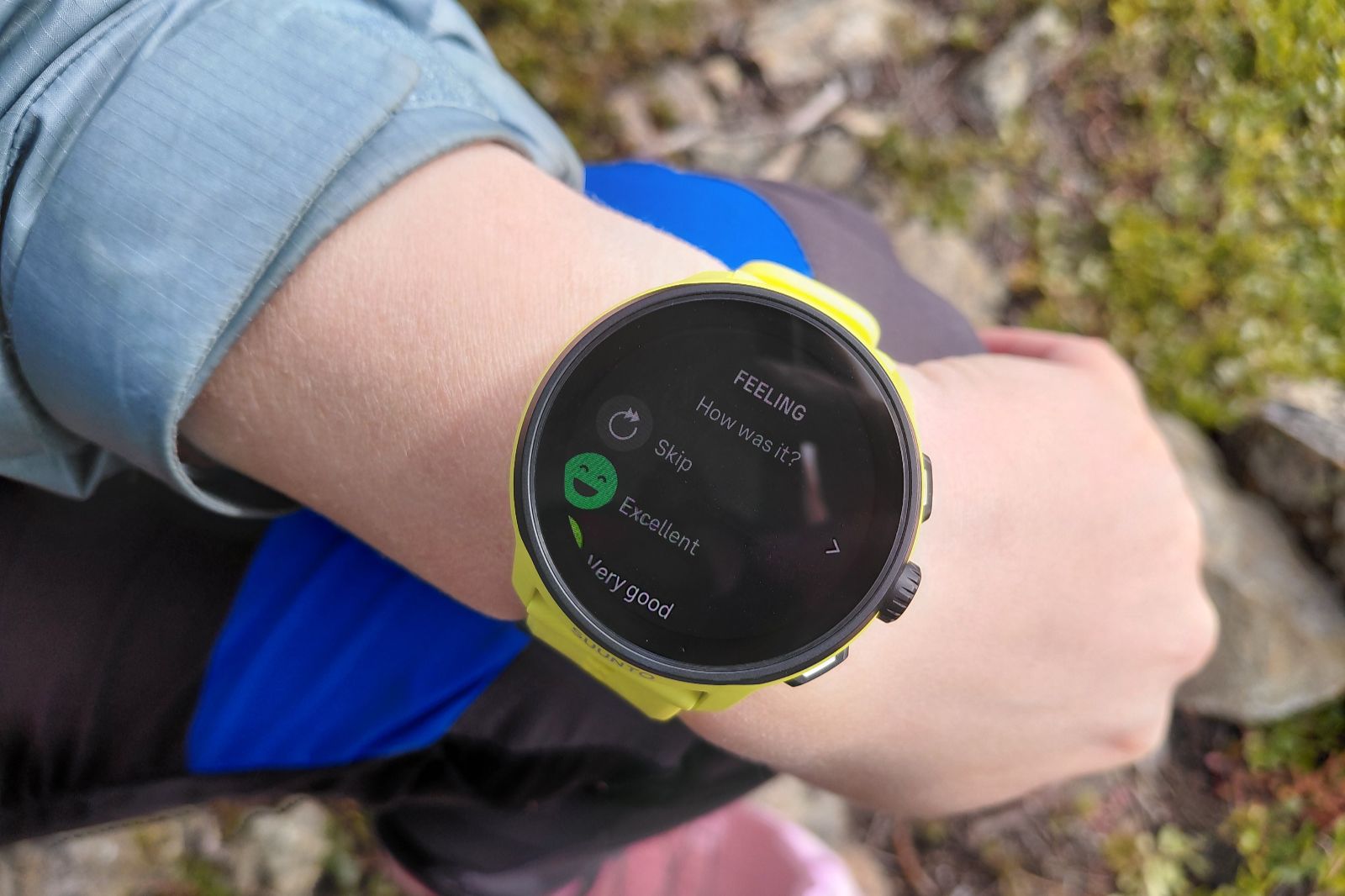
The Suunto Run is simple, straightforward, and has useful features. With over 30 activity modes, there is an activity type for everyone. True to its name, the Suunto Run has a strong focus on running training. With features like breath work, track run, training recovery, and Marathon Mode, there are a variety of options to keep your training on track.
While packing enough features for daily use, the Suunto Run lacks some of the more backcountry-focused features we prefer. With no offline maps or compass, backcountry navigation is limited. However, routes can be loaded to the watch, where a breadcrumb trail appears during activity to follow. If you plan to stick more to the well-traveled path, the Suunto Run has sufficient functionality.
Ease of Use
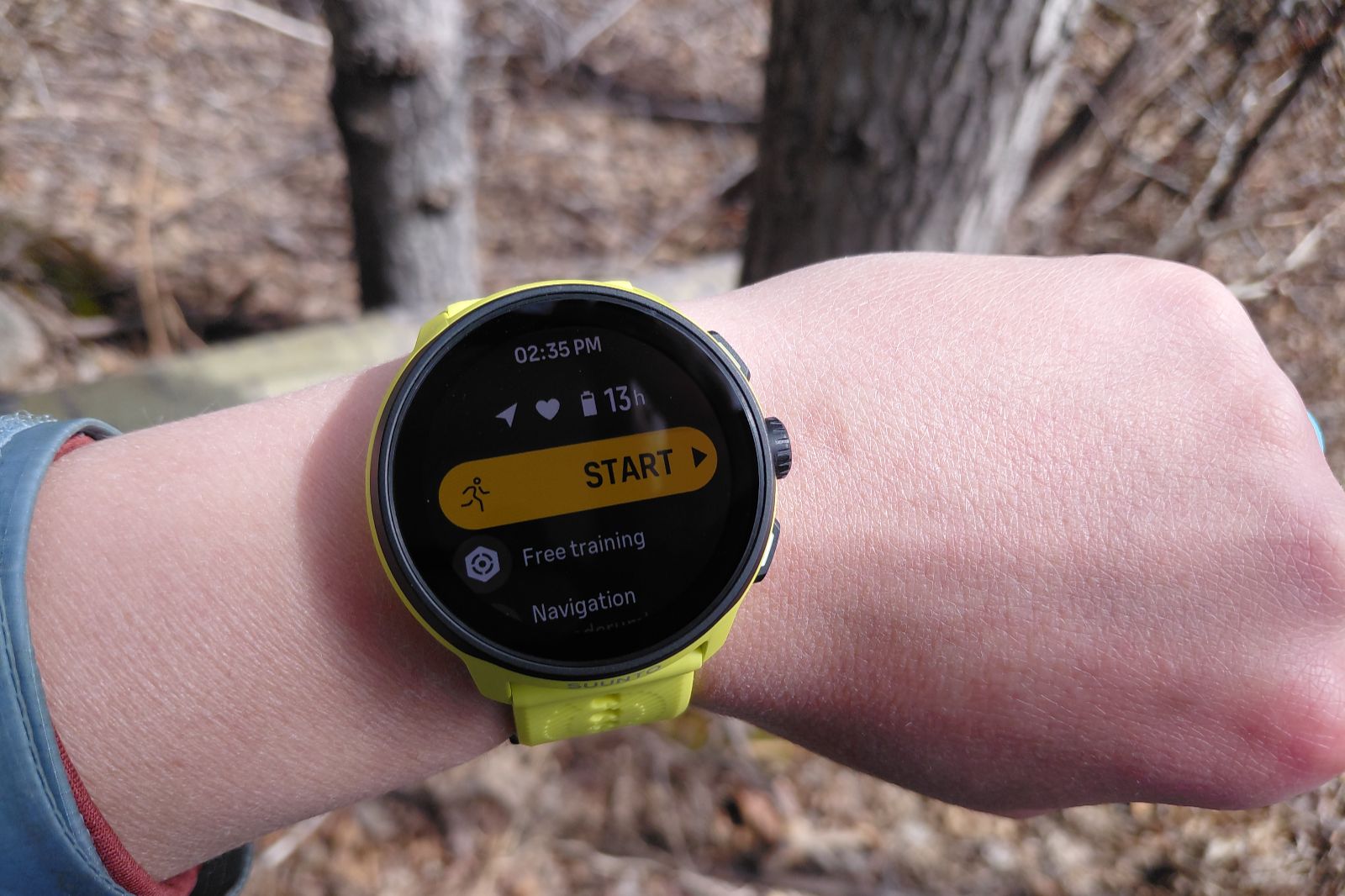
For a few reasons, we don’t think the Suunto Run is totally user-friendly. Because it is so simplified, we frequently get turned around in menu options that are not as intuitive as others we’ve tested. Additionally, the scroll wheel sticks and requires some effort to operate, particularly when wearing gloves. In short, this watch takes some getting used to to really be at ease with it.
During our testing, we were also surprised by several glitches in the watch. We had issues with the lap alarm changing distances and with pairing with the companion app.
Even without changing time zones, the watch time and date changed on us, and some activities did not sync to the app. We haven’t been able to pinpoint the source of these glitches, but these are issues unique to the Suunto Run. All in all, it isn’t the most intuitive user interface, especially at first, but we are able to do the basics easily with this watch.
Should You Buy the Suunto Run GPS Watch?
If affordability and simplicity are priorities, the Suunto Run is the watch for you. One of the lowest-priced watches in our lineup, it’s hard to beat its combination of good features and low price. However, the price comes at the tradeoff of not being as good for dedicated backcountry use.
With limited backcountry features we like, like maps and a compass, and only moderate battery life, the Suunto Run is better suited for the front country and fitness training. Its low profile and comfortable band make it a great daily training companion with run training-specific features like Training Recovery and Marathon Mode to keep your progress on track.
What Other Watches Should You Consider?
If you want more backcountry-specific features, see our complete GPS watch gear guide for more options.
Suunto 9 Peak Pro Review: With a longer battery life and built with higher quality materials, the 9 Peak Pro is a premium offer from Suunto.
Garmin Forerunner 165 Review: Another budget option, the Forerunner 165 offers slightly more performance and a smoother user interface.
Amazfit T-Rex 3 Review: Still at an attainable price point, the T-Rex 3 has a wide array of features, maps, and activity types.
The post Suunto Run GPS Watch Review appeared first on CleverHiker.