

 OffroadAdmin
Bottom Line
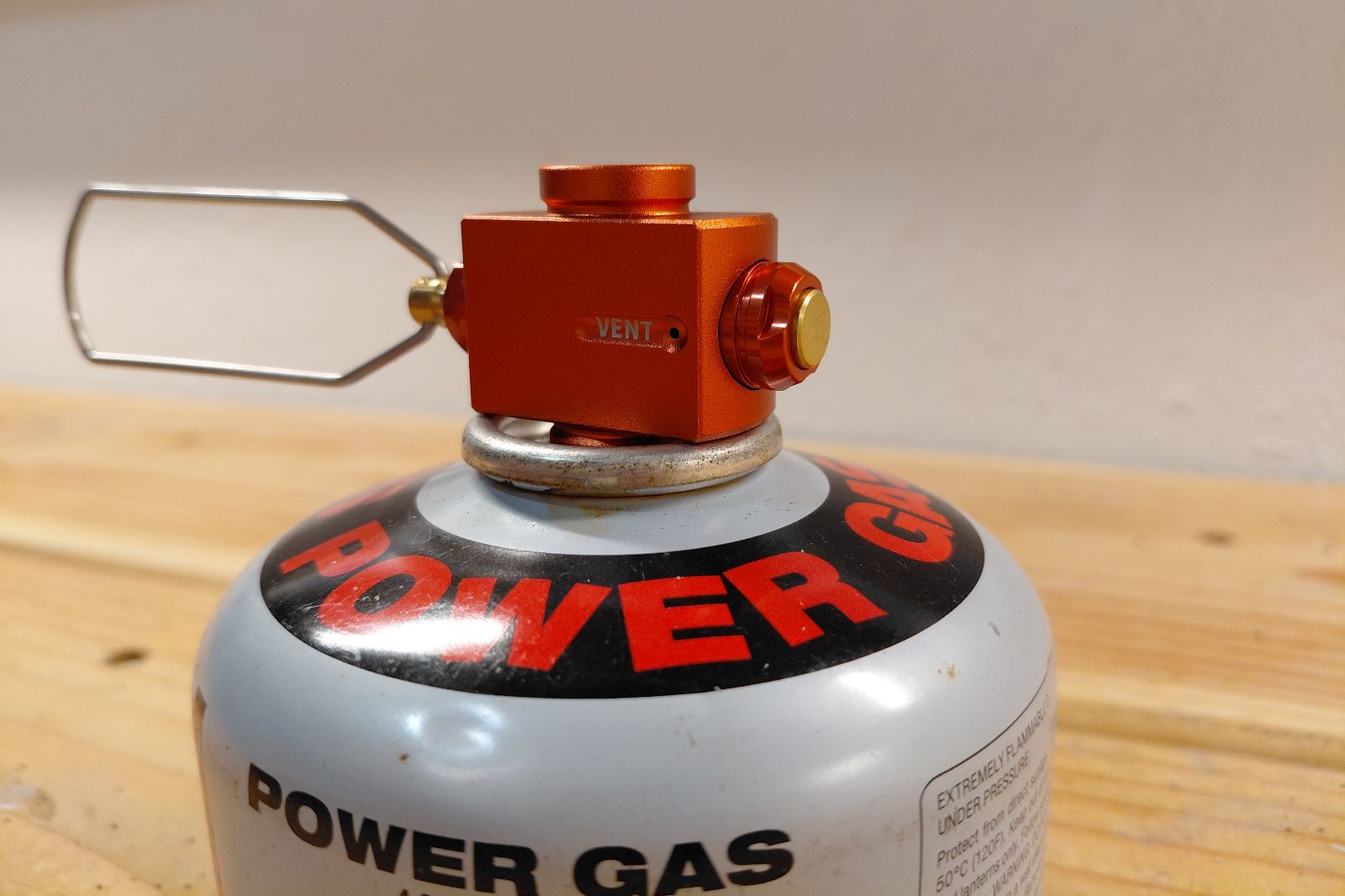
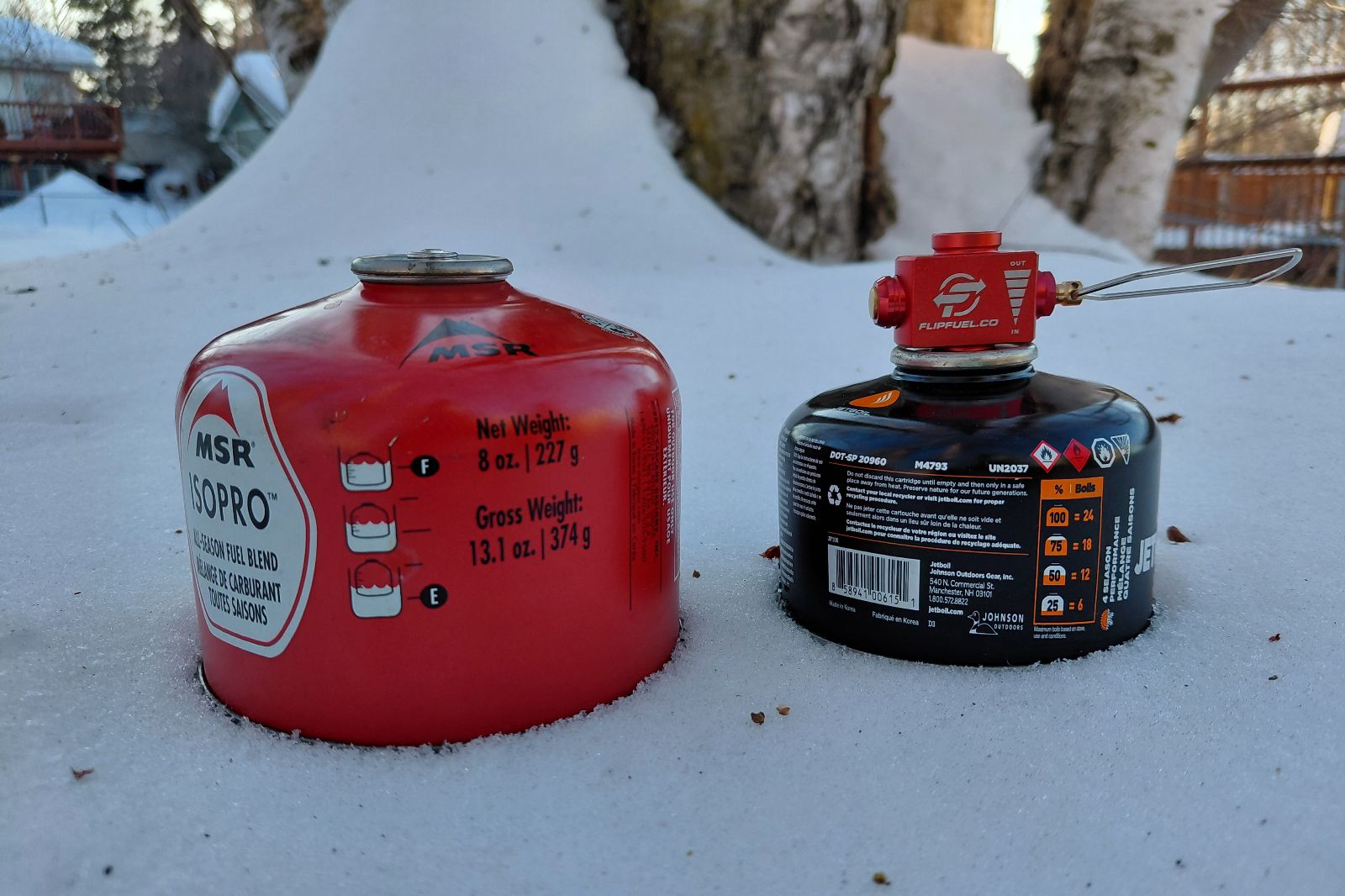
The FlipFuel Fuel Transfer Device is a small, clever tool that solves a common problem for backpackers: fuel canisters with too little fuel to take on a trip, but too much fuel to throw away.
If you’re like us, you have a collection of gas canister zombies languishing away in a forgotten corner of your gear closet. These half-dead remnants were cursed until the FlipFuel came along. The FlipFuel Fuel Transfer Device lets users transfer leftover fuel from a nearly-empty canister to top off another and carry on your next trip.
For safety, backpackers should not overfill the canister while transferring fuel via the FlipFuel. But, we found the Fuel Transfer Device impressively simple to use – and it’s extremely handy. Transferring the last dregs of fuel from nearly empty canisters saves money, prevents wasting fuel, and spares backpackers and campers from hauling multiple half-empty tanks on that next adventure.
How We Tested
We’ve used our FlipFuel Transfer Device for two years – and hundreds of transfers – to top off our fuel canister before camping, backpacking, and roadtrips. It’s become a key step in our pre-trip preparation. Although it’s not something we carry with us in the backcountry, the FlipFuel is a staple for front country preparation.
Quick Specs
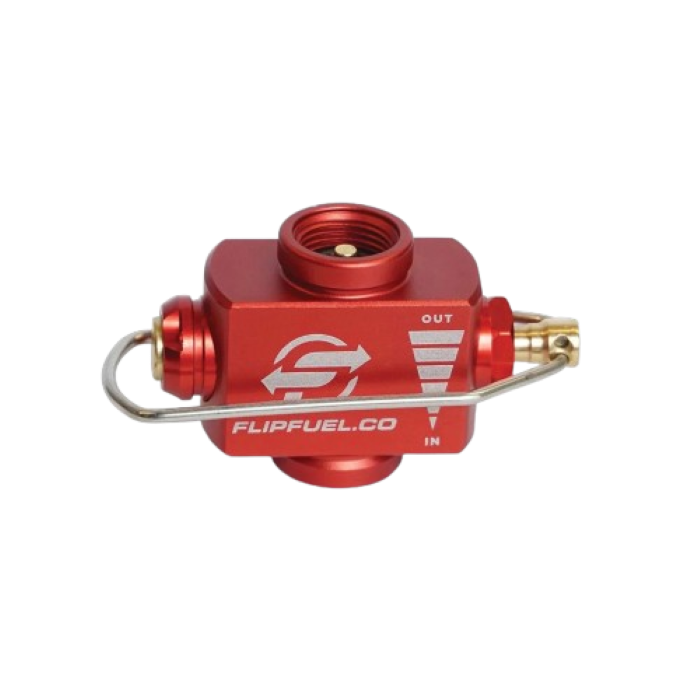
FlipFuel Fuel Transfer Device
Convenient Fuel Saver
Price:
$35
Weight:
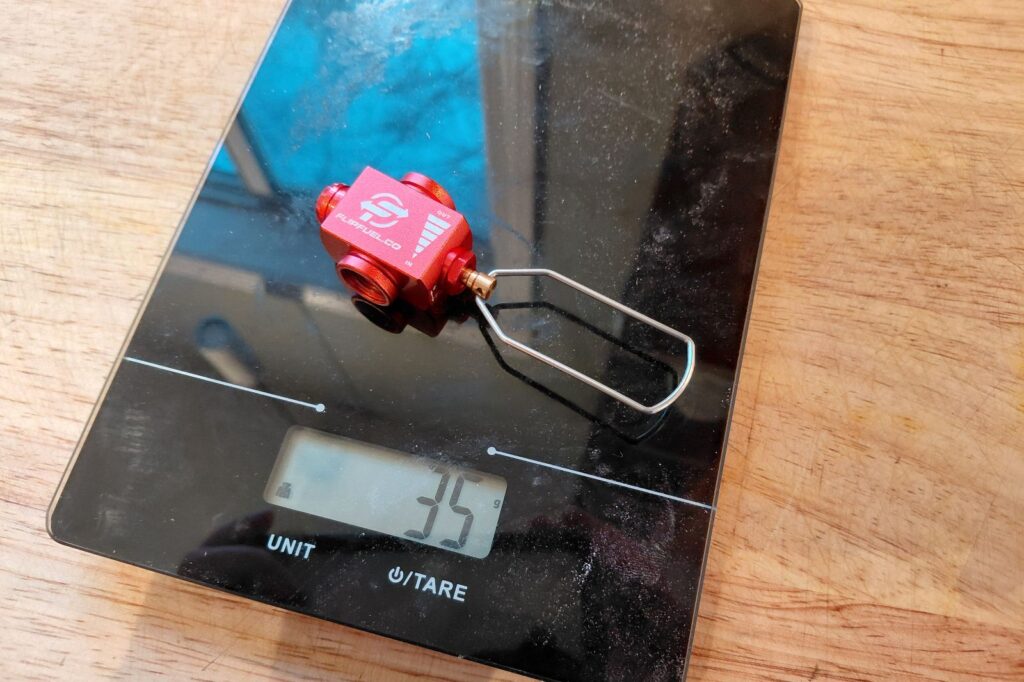
1.2 oz
Pros
- Solves an important problem
- Saves fuel
- Convenient & easy to use
Cons
- Need to follow safety instructions
How to Use the FlipFuel Fuel Transfer Device
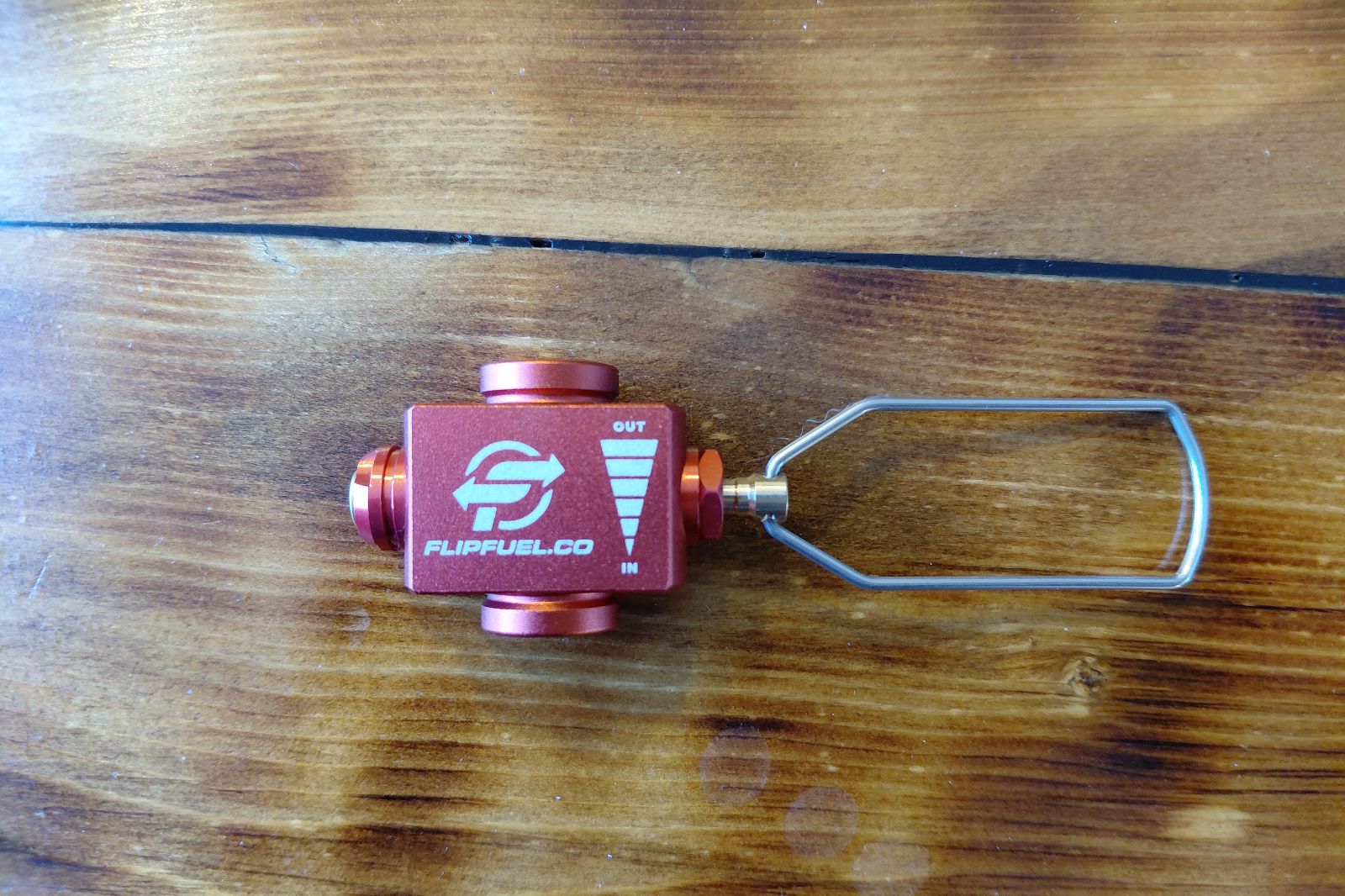
The FlipFuel Fuel Transfer Device is a compact connector that moves leftover fuel from one canister to another.
The device itself is small, solid, and simple. It threads onto standard propane and isobutane-blend fuel canisters to create a valve-controlled pathway to move fuel from a donor canister to a receiving canister. There is no pump, battery, or complicated setup.
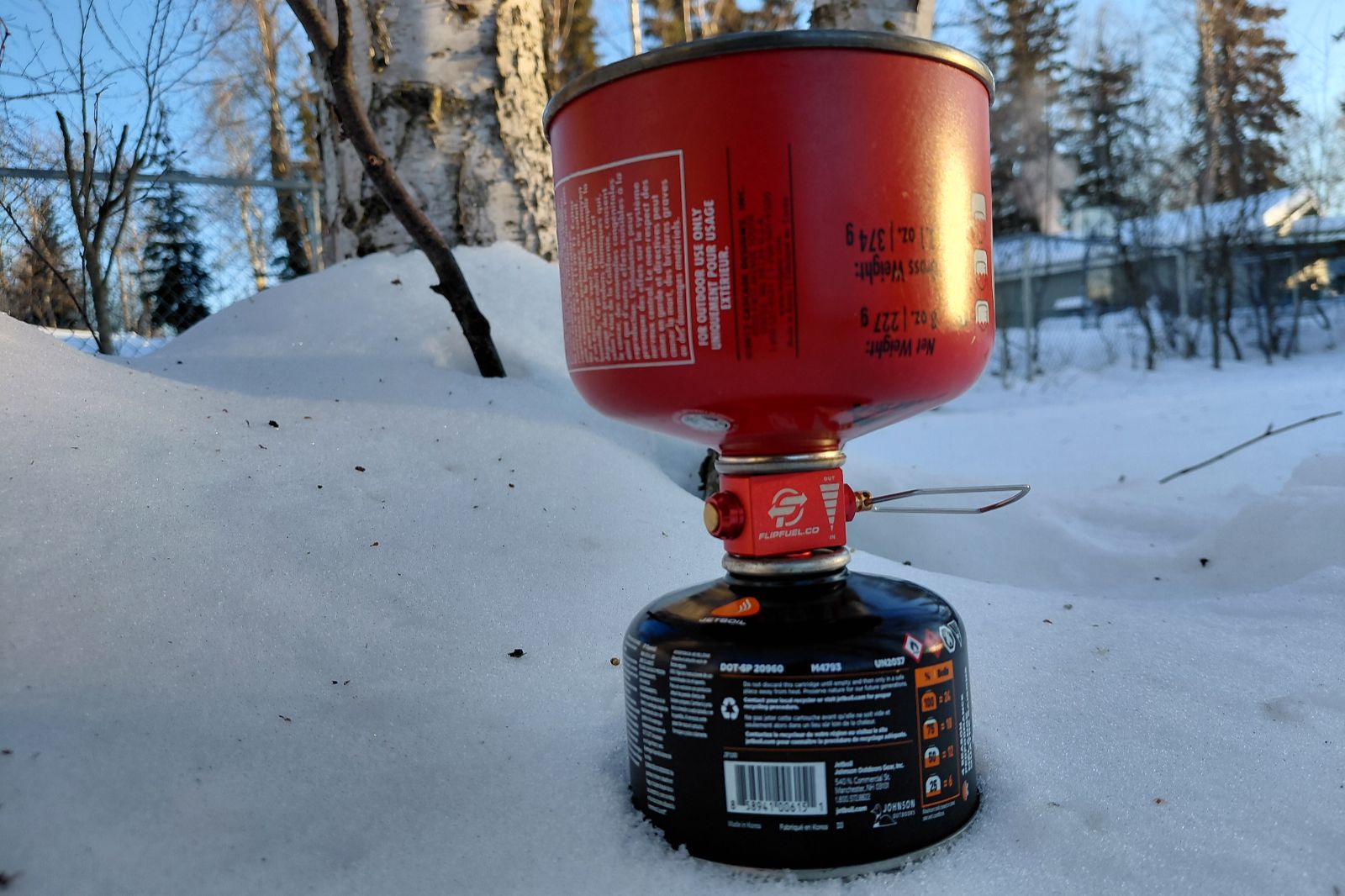
The fuel transfer relies on simple physics. The pressure difference between the two canisters moves fuel from the higher pressure to lower pressure canister. Thread one canister on the top and one on the bottom, connect them with FlipFuel in between, and let the device do the work.
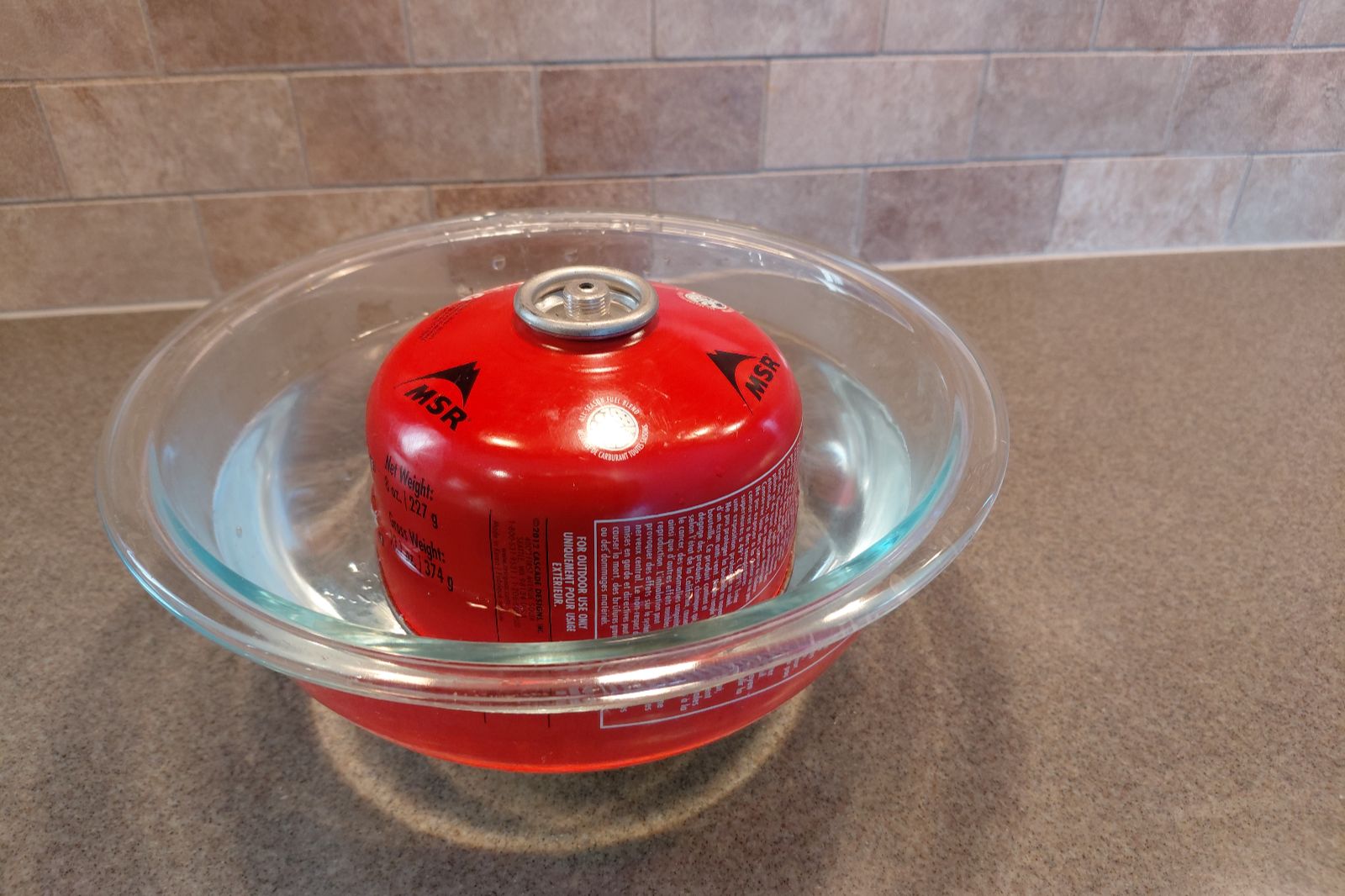
STEP 1: PREPARE THE CANISTER
Start by double-checking that the fuel is the same between canisters – only the same type can be transferred. Then, make sure both canisters are in good condition by looking for dents, rust, or damaged threads. The receiving bottle should be empty or partially empty, and the donor bottle should have adequate fuel remaining.
Utilizing Boyle’s Law, the FlipFuel works through pressure differentials between the donor and receiver canisters. For best results, place the receiving bottle in a freezer for about 10 minutes before transferring, and place the donor bottle in the sun, warm water, or a warm place in your house to increase its pressure. This helps transfer fuel from the warmer donor bottle to the cooler receiver bottle.
STEP 2: CONNECT AND tRANSFER
Always perform the transfer outdoors or in a well-ventilated space away from open flames or ignition sources to avoid potential fumes from collecting.
Thread the FlipFuel onto the cold receiving canister, making sure the valve is turned off. With the cold, receiving canister on the bottom, attach the warm, donor canister on the top. The connection should be snug but not overly tight. Slowly open the valve, and you’ll hear a soft hissing as the fuel is transferred.
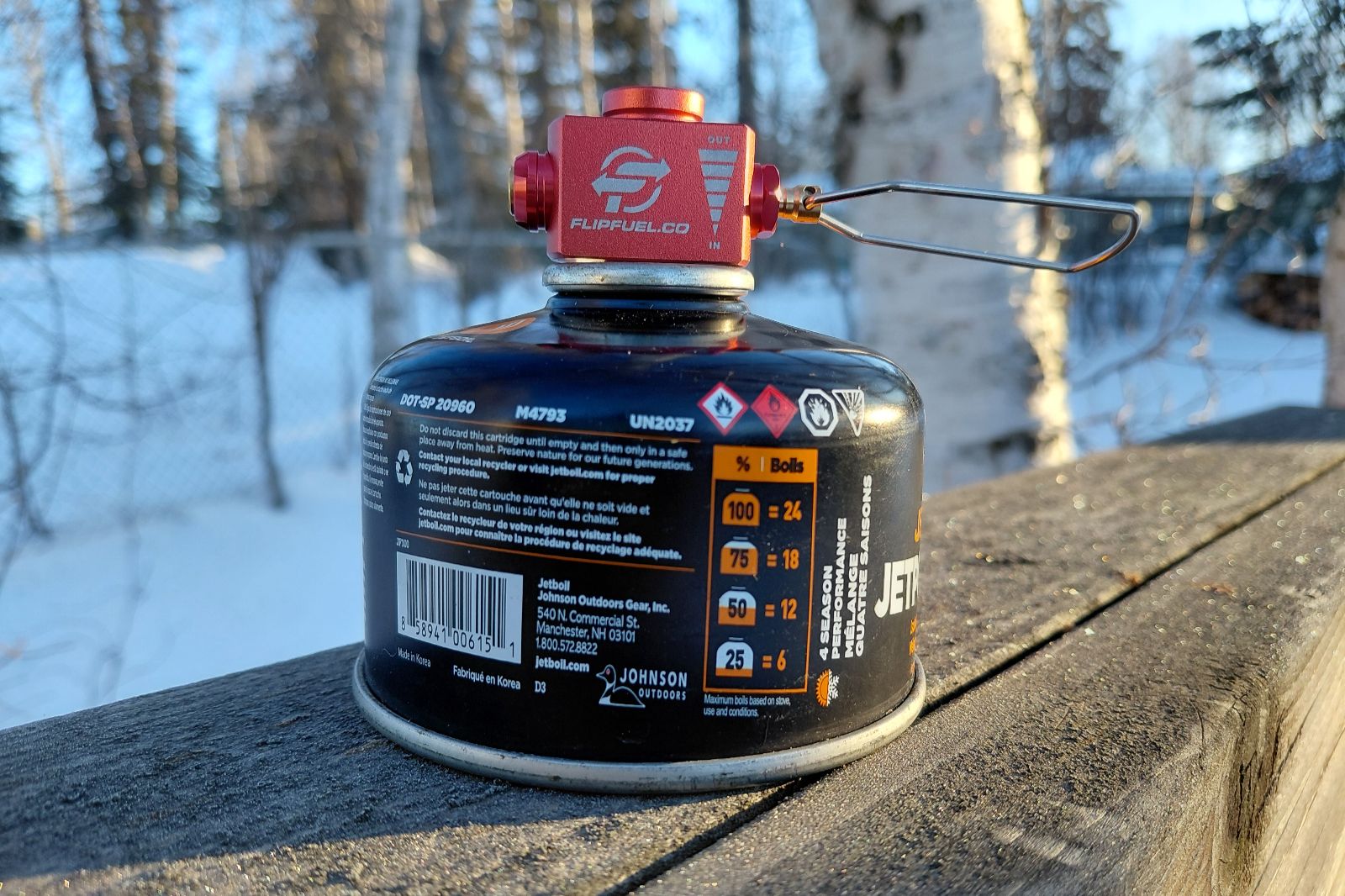
STEP 3: MONITOR AND DISCONNECT
The transfer should take about 30 seconds to 60 seconds, depending on the temperature of the bottles and the amount of fuel being transferred.
As the receiving bottle fills, the hissing will slow and then stop. Turn off the valve and slowly disconnect each bottle. There may be a quick leak of fuel as you unscrew the bottles. If the smell of gas persists, you may have a problem with one of the bottles that requires further investigation.
Repeat all steps as necessary to fill your receiving bottle. The temperatures of the canisters may equalize with the transfer, so you may need to warm and cool them again to finish the transfer. Once your donor canister is empty, puncture it and recycle it in accordance with your local recycling guidelines.
FlipFuel Safety Considerations
Carefully inspect the seals and threads on each bottle before use to make sure that they are safe to transfer and safe to use with your stove while in the backcountry. Always perform the transfer in a well-ventilated area and away from ignition sources.
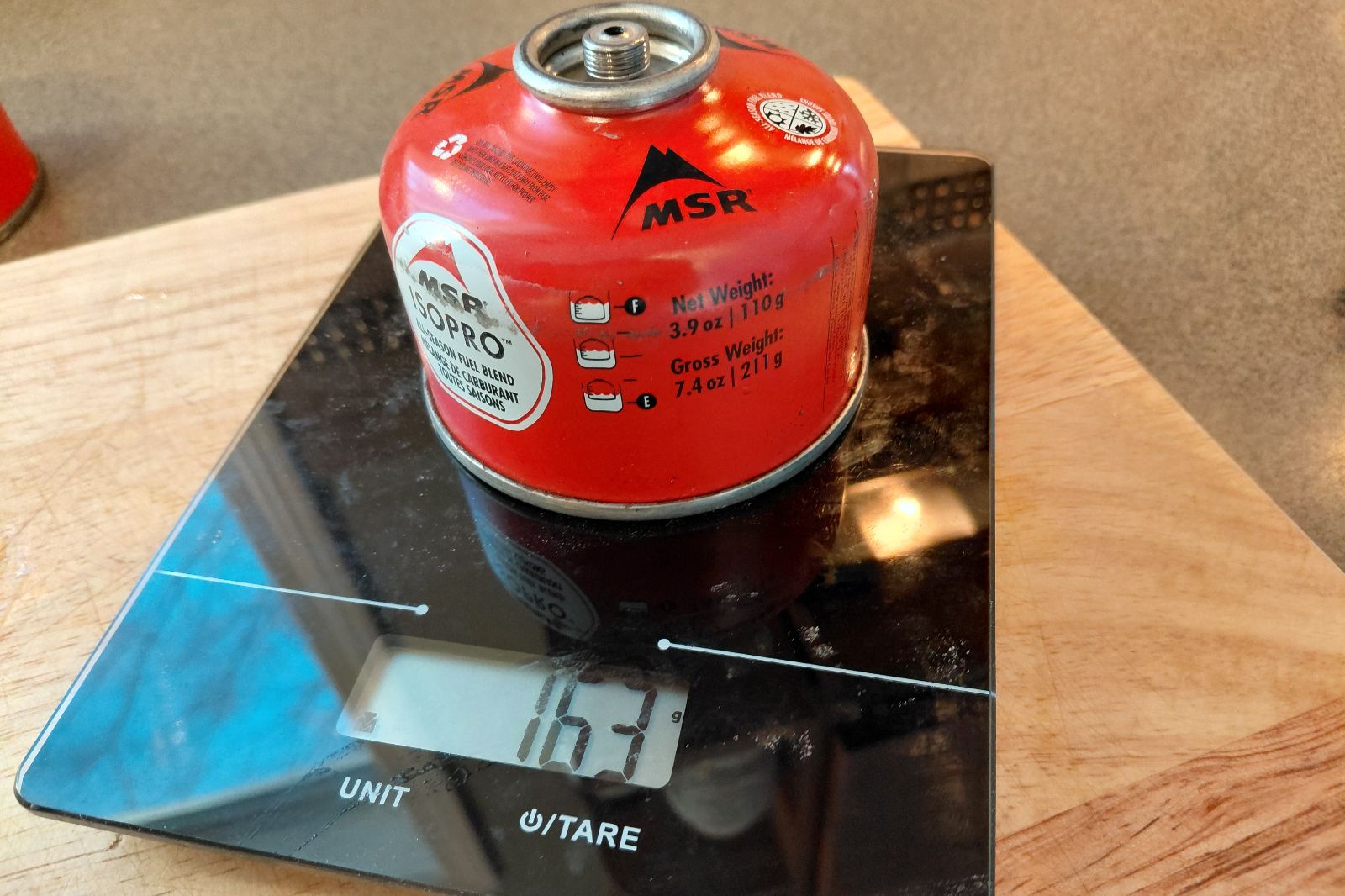
Overfilling is another risk. To avoid overfilling, measure the weight of the receiving canister before, during, and after filling. Most canisters have a specified weight when the bottle is full. By adding a little fuel at a time, and weighing the canister before, during, and after, you can easily avoid overfilling.
If you see a large yellow flame (instead of a small, blue flame), that’s a sign you probably overfilled the canister. If you have overfilled, simply press the bleeder valve on the side to release excess gas. Once again, only do this in a well-ventilated area away from ignition sources.
Should You Buy the FlipFuel Fuel Transfer Device?
The Flipfuel is the perfect addition to any outdoorsperson’s kit. Lightweight, simple, and affordable, it has excellent value. You will quickly make back the money spent by being able to utilize every drop of fuel in your canisters. It’s earned a permanent spot on our pre-trip checklist, and our team uses it before almost every trip to make sure we have enough fuel to last us when out on the trail.
If you’re someone looking to save money on fuel and avoid carrying around half-empty canisters, then the FlipFuel is the perfect addition to your gear collection. For its simplicity, the FlipFuel offers great value and has quickly become a go-to device for home use – or car camping – while preparing for a trip.
The post FlipFuel Fuel Transfer Device Review appeared first on CleverHiker.